 Retro

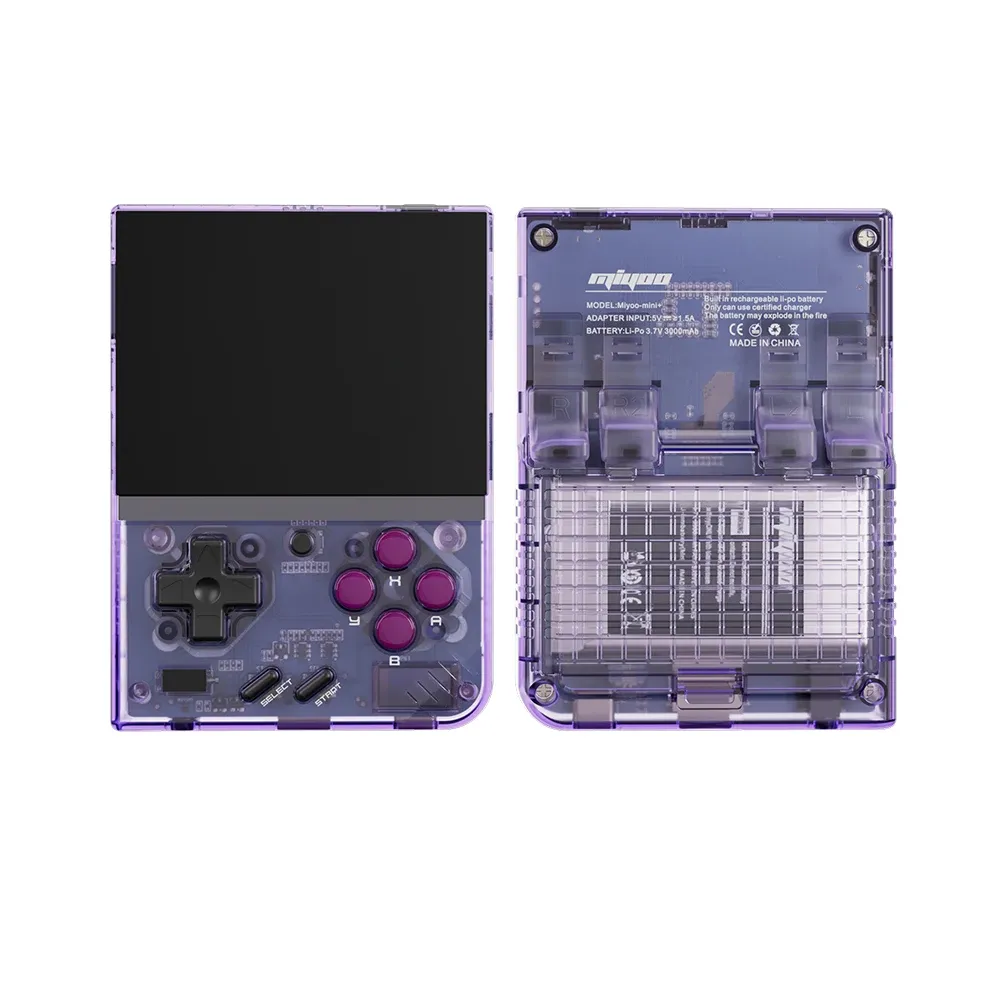
If you love the idea of a proper games machine that vanishes into a coat pocket, these are the two everyone ends up arguing about. Both are tiny vertical handhelds built for the pure-retro sweet spot, both feel lovely in the hand, and both cost about the same as a nice takeaway for two. Pick either one and you'll have a grand time. But they come at that shared idea from different directions, and the gap between them is really a gap between a mature, beloved veteran and a fresh, exciting upstart.
Here's how they actually feel once the novelty wears off and you're just playing.
The Miyoo Mini Plus: the pocket icon that just works
The Mini Plus earned its cult status the honest way, by being the handheld people actually keep in their bag for years. The hardware is a known quantity, but the real magic is the software. Onion, the community firmware almost everyone installs, is one of the most polished custom setups in the whole hobby: gorgeous themes, sensible menus, box art that just appears, save states that behave. It has had years of love poured into it, and it shows in a hundred tiny ways you stop noticing because nothing fights you.
That maturity is the whole pitch. When you hit a snag, someone has already hit it before you and written the fix down. Guides are everywhere, the community is enormous, and the answer to "how do I do X" is usually a two-minute search away. For a first handheld, that safety net is worth a surprising amount. The trade-off is that the hardware is the older idea here. It's more than enough for 8-bit, 16-bit and the handheld classics, but you're not buying it for a spec sheet win. You're buying it because it's a finished, trustworthy little thing.
The TrimUI Brick: the newer darling with the better screen
The Brick is what happens when someone looks at the tiny-vertical formula and asks what they'd change. The headline answer is the screen. It's noticeably sharper for its size, and once you've seen crisp pixel art on it, going back to a softer, lower-resolution panel is genuinely hard. There's a little more power under the hood too, enough to give it more headroom and make the whole thing feel snappy rather than merely adequate.
It won a lot of fans fast, and deservedly so. The catch is simply that it's younger. The software scene around it is real and growing, but it hasn't had the years of polish and community troubleshooting that the Mini Plus enjoys. You're more likely to be an early adopter here: things are good and getting better, but you may occasionally be the one figuring something out rather than following a well-worn guide. If tinkering is part of the fun for you, that's a feature. If you just want it to work on day one with zero fuss, it's a consideration.
The honest trade-off
Strip it back and the choice is straightforward. The Mini Plus is the safer, better-supported first buy: mature software, a massive community, and a track record of people loving theirs for years. The Brick is the more exciting, forward-looking pick: a sharper screen and a bit more grunt, aimed at someone happy to live on a newer, faster-moving platform.
Neither is a downgrade of the other. They're two good answers to slightly different questions, and the right one depends entirely on what kind of owner you are.
So which one should you buy?
Buy the Miyoo Mini Plus if this is your first proper handheld, you want the most polished software experience out of the box, or you value a huge community and years of guides over raw specs. It's the low-stress, high-reward choice, and Onion is a genuine joy.
Buy the TrimUI Brick if you want the sharper screen and the slight power edge, you're comfortable on a younger platform, and a bit of early-adopter tinkering sounds like part of the appeal rather than a chore. It's the more thrilling device to own if you're the right sort of person for it.
Still torn? Let price settle it. When these two are close, your own temperament is the tiebreaker, safe and polished versus new and sharp. When one is clearly cheaper on the day, that's a strong nudge on its own. Our best value ranking weighs capability against the live price across everything we track, so you can see exactly how the gap looks right now.